• Ønsker du time idag? 55 31 30 81

anatomy Trains

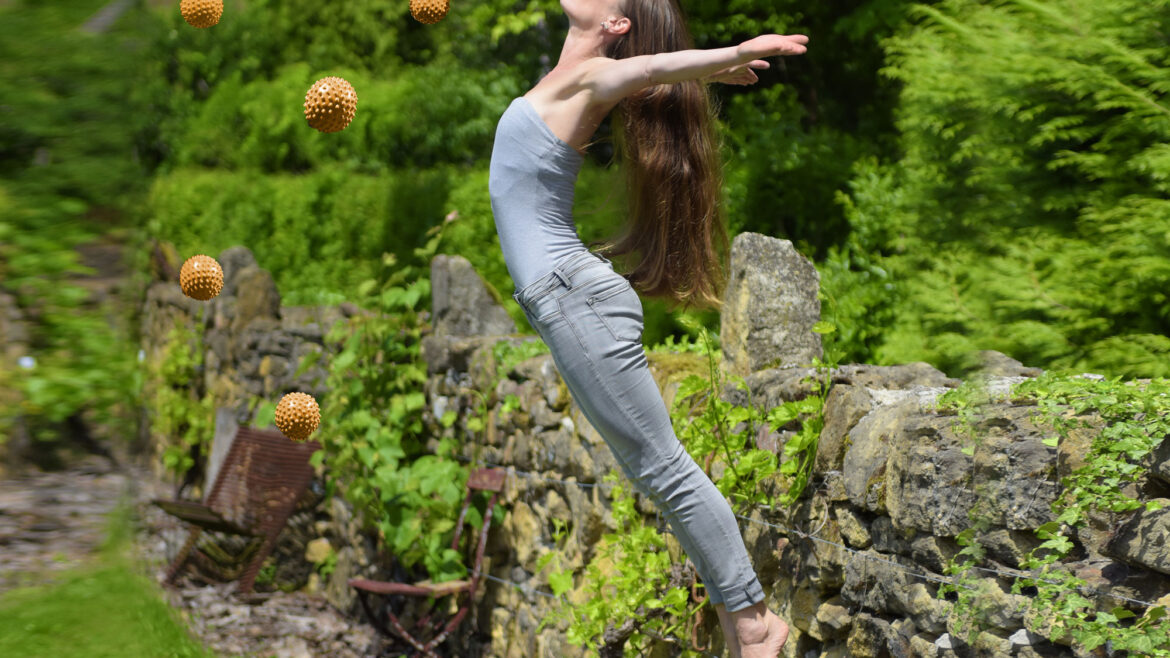
Fascia Movement® Teacher Training

Fascia Movement® Teacher Training 2000 1500 Therese Hansen

Teacher Training
Oslo | 2026–2027

En modulbasert videreutdanning i Fascia Anatomi, Bevegelse og Funksjon

FAMO – Fascia Movement Teacher Training®– er en internasjonal utdanning utviklet av Art of Motion Academy i Sveits. Programmet gir en strukturert og praksisorientert tilnærming til hvordan kroppens fasciale system kan forstås og anvendes i bevegelse, undervisning og funksjonell trening.

FAMO-konseptet (tidligere kjent som Slings Myofascial Training) bygger på moderne forståelse av fascia – kroppens sammenhengende bindevevsnettverk – og hvordan dette påvirker stabilitet, elastisitet, kraftoverføring og bevegelseskvalitet.

Gjennom utdanningen kombineres forskningsbasert kunnskap, erfaringsbasert praksis og kroppslig læring. Målet er å gi deltakerne en dypere forståelse av kroppens fasciale organisering og hvordan denne kunnskapen kan integreres i bevegelsesundervisning, trening og terapeutisk arbeid.

Hva lærer du?
Gjennom utdanningen vil du blant annet lære å:

• forstå hvordan fasciale strukturer organiserer bevegelse i hele kroppen
• anvende prinsippene fra de myofasciale linjene i bevegelse og undervisning
• utvikle øvelser og bevegelsessekvenser basert på fasciale prinsipper
• analysere kroppens posturale mønstre og bevegelseskvalitet
• integrere pust, elastisk recoil og spiralbevegelser i trening og undervisning
• bygge funksjonelle klasser og treningsprogrammer med tydelig struktur
• undervise fascia-baserte bevegelsesklasser på en trygg og pedagogisk måte

Programmet kombinerer teori, praktiske økter og kroppslig erfaring slik at deltakerne både forstår, opplever og kan anvende kunnskapen i egen praksis.

Hvem passer utdanningen for?

Utdanningen er utviklet for fagpersoner som arbeider med kropp, bevegelse og helse, for eksempel:

• fysioterapeuter
• osteopater
• manuellterapeuter
• massører og bodyworkere
• pilatesinstruktører
• yogalærere
• personlige trenere
• bevegelsespedagoger

Programmet gir en fordypning i fascial anatomi og funksjonell bevegelse, og kan integreres i både behandling, trening og undervisning.

Oppbygning av FAMO Teacher Training
Utdanningen gjennomføres i moduler over omtrent ett år og arrangeres kun én gang per år i Norge. Antall plasser er begrenset for å sikre høy kvalitet på undervisningen. Mange velger derfor å sikre plass på hele utdanningsløpet fra start.

Grunnmoduler
Disse to kursene kan tas som selvstendige kurs og fungerer samtidig som inngangsport til hele Teacher Training-programmet.

Anatomy Trains in Motion
8.–10. mai 2026

FAMO Fascia in Focus
28.–30. august 2026

Level 1

FAMO Practice 1
23.–25. oktober 2026

FAMO BodyReading & Rebalancing
27.–29. november 2026

Etter gjennomført BodyReading & Rebalancing har deltakerne grunn kompetanse og kan begynne å undervise FAMO Fascia Movement -klasser.

Level 2 Advanced

FAMO Practice 2
29.–31. januar 2027

FAMO Practice 3
12.–14. mars 2027

FAMO Teaching & Functional Sequencing
21.–23. mai 2027

Den siste modulen integrerer kunnskapen fra hele utdanningen og gir deltakerne verktøy til å utvikle egne klasser og undervisningsprogrammer basert på FAMO-prinsippene.

Viktig om kursstruktur

De to første modulene kan tas som stand-alone kurs.

For deltakere som ønsker å gjennomføre hele FAMO Teacher Training må modulene i Level 1 og Level 2 tas i den rekkefølgen de er satt opp, da kursene bygger faglig på hverandre. Utdanningen arrangeres kun én gang per år i Norge, så mange velger derfor å melde seg på hele utdanningsløpet fra start for å sikre plass på alle modulene.

Rabatt ved påmelding til hele utdanningen

For deltakere som forplikter seg til hele Teacher Training-løpet ved påmelding, tilbys en redusert kurs pris per modul. Dette gjør det mulig å planlegge utdanningen som et sammenhengende læringsløp gjennom året.

Hva gjør denne utdanningen unik?

• en helhetlig tilnærming til bevegelse basert på fascial anatomi
• kombinerer forskning, praksis og kroppslig erfaring
• utviklet av et internasjonalt ledende fagmiljø innen fascia og bevegelse
• verktøy som kan brukes direkte i klinikk, undervisning eller trening
• et internasjonalt faglig nettverk av lærere og deltakere

Betaling og fleksible løsninger

For å gjøre det enklere å delta tilbyr vi fleksible betalingsløsninger. Du kan betale med:

• Vipps
• Klarna (som gir mulighet for delbetaling)
• kortbetaling

Dette gjør det mulig å fordele kursavgiften over tid dersom du ønsker det.

Påmelding

Antall plasser er begrenset for å sikre høy kvalitet på undervisningen. Ønsker du mer informasjon eller vil sikre deg plass på en av modulene eller hele utdanningen, ta gjerne kontakt.

Sikre deg en plass


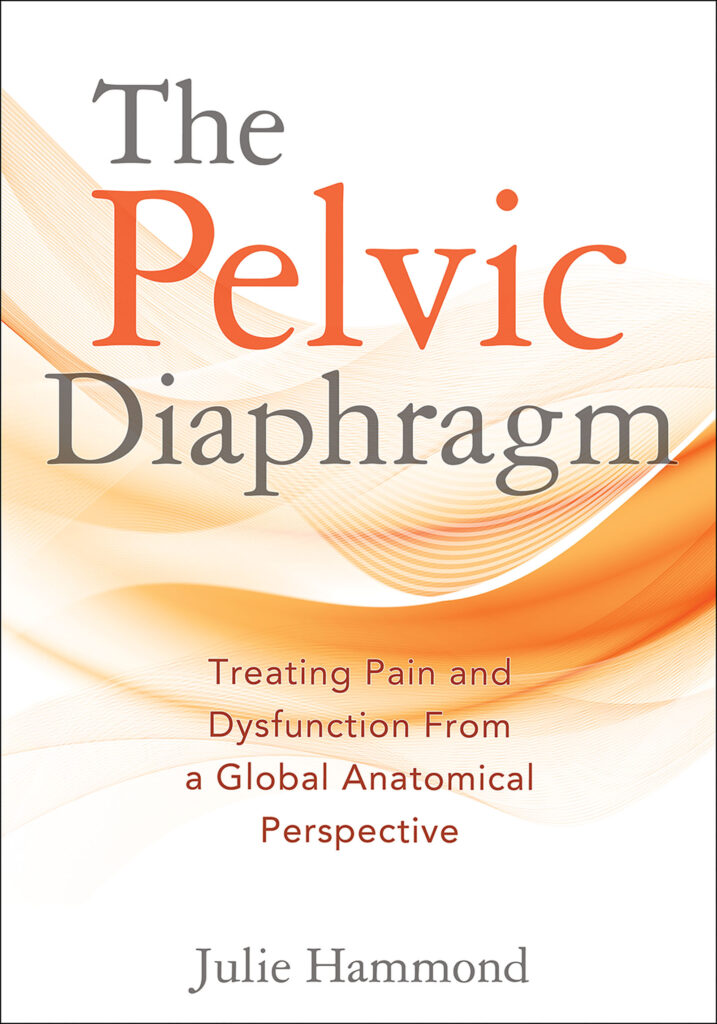
The Pelvic Diaphragm by Julie Hammond

The Pelvic Diaphragm by Julie Hammond 1057 991 Therese Hansen

Balancing the Diaphragms Series

The Pelvic Diaphragm

‘Treating pelvic pain and dysfunction from a global lens.’

About the workshop:

The workshop is based on Julie Hammonds’ book, “The pelvic diaphragm: Treating pain and dysfunction from a global anatomical perspective.” Pelvic pain and dysfunction are multifaceted problems affecting both men and women and their quality of life. Pelvic diaphragm dysfunction is considered an isolated event, and it isn’t. A pelvis problem is never just a pelvis problem, and many other factors go with it. In this two-day workshop, we will take a deep dive into the intricate and complex local anatomy of both the male and female pelvis and pelvic diaphragm from the perineum to the fascial diaphragm of the endopelvic fascia.

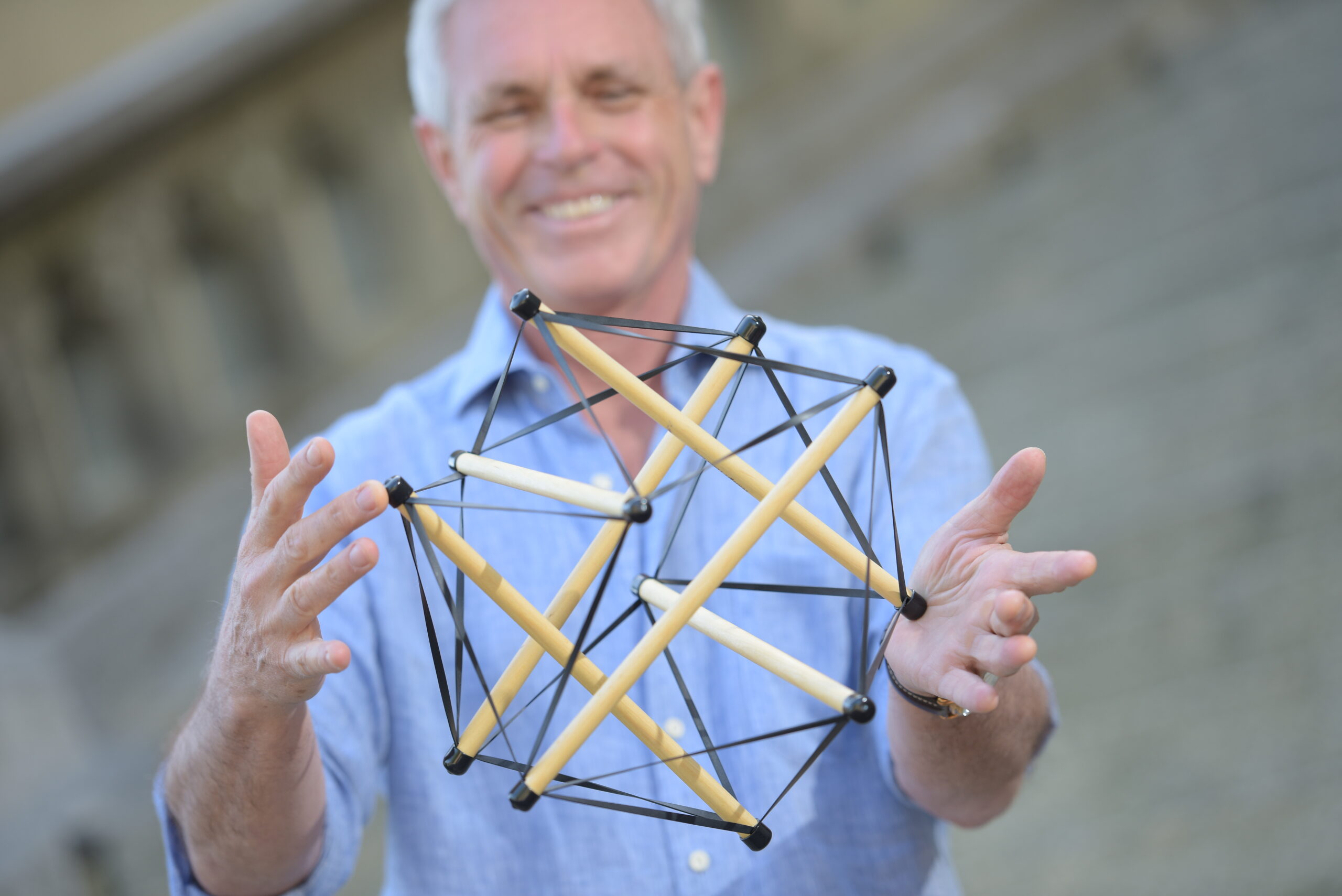
Once the local anatomy is understood, it is vital to appreciate how it fits into a global context. The pelvis is balanced within a larger global tensegrity structure. There are fascial and functional connections between the pelvic diaphragm and the respiratory diaphragm, as well as a functional relationship with the feet and ankles. There is a clear link between the ankle and pelvic positions, which affects the pelvic diaphragm within. The workshop will incorporate the latest research on these connections and their relevance to clinical practice. Making sure the pelvis has adequate support above and below before easing tension in the pelvic diaphragm, so the client can maintain the changes.

The aim is to inspire and excite students by making misunderstood, complex anatomy relatable. The focus is on the fascial connections between the pelvic diaphragm and respiratory diaphragm, introducing newer anatomical concepts. This is supported by current research that can inform clinical practice. Clear guidelines are provided, including fascial release techniques, self-release (client homework), and experiential activities.

Learning outcomes: 

At the end of the two days, you will:

-Have a clear understanding of pelvis and pelvic diaphragm anatomy, and a love of this anatomy.

-Be able to assess the pelvis and understand its relationship within the global tensegrity structure

– Explain the fascial and functional connections above and below

-Incorporate breath and pelvic diaphragm function together to ease or stimulate the pelvic diaphragm

-Understand the importance of treating global before local

Who is this workshop for?

This workshop is a blend of theory, manual techniques, experiential and self-release techniques with myofascial balls. It is ideal for manual therapists and movement practitioners who teach one to one or small groups, who are looking to deepen their pelvis anatomy knowledge and understanding of global connections, encouraging practitioners to zoom out and think outside the box.


Bio

Julie Hammond lives in Western Australia, where she runs a clinical practice. She has 25 years of clinical experience and specialises in Bodywork and Structural Integration. Julie is the Director and Lead Teacher of Anatomy Trains Australia & New Zealand. She also lectures internationally. She organised the first Australian Fascia Symposium in 2020 and co-founded Balancing the Diaphragms. Julie contributed a chapter on Anatomy Trains Structural Integration for Fascia, Function, and Medical Applications by David Lesondak. She has a passion for Women’s Health. Julie’s love of anatomy has led her to participate in many dissections. She has just completed her medical science degree. Julie is passionate about integrating current research into her clinical practice and vice versa. She believes clinical practice should inform research.

Sikre deg en plass

FAMO Practice 3 Oslo 2026

FAMO Practice 3 Oslo 2026 2481 2560 Therese Hansen

Practice 3

This third FAMO Practice module brings the new concept of the core to life—physically, emotionally, and relationally. The multidimensional, all-encompassing repertoire invigorates the body-mind from the inside out and outside in, fostering an inner lift and buoyancy along with a profound feeling of connectedness. The intentional use of fascial movement qualities (FAMO Focus) and the emphasis on the Deep Front Line and Arm Lines (Anatomy Trains in Motion) amplify these aims.

About the Course

The FAMO Practice 3 repertoire builds on and complements the exercises in FAMO Practice 1 and 2.

By the end of the course, you will have a nuanced understanding and a felt sense of a multidimensional set of profound FAMO exercises, ready to use in your personal practice and with clients. Experience has shown that the movements and techniques are well-suited for group classes, personalised training, and therapeutic settings, using body-minded movement to enhance physical functionality and psycho-emotional wellbeing.

Learning Outcomes

By participating in this course, you will:

  • Learn and experience multidimensional exercises anchored in sound principles of integral fascia-focused anatomy and body-mind holism
  • Expand and deepen your knowledge of working deliberately with the bodywide and central myofascial core to enhance structural health, physical functionality, mental peace, and emotional wellbeing
  • Appreciate the structural, functional, and emotional «hands to heart and heart to hands» connection in a new light
  • Understand the ‘why’ behind exercise execution, including applied training techniques, breathing patterns, variations, adaptations, and the use of massage tools and supportive props
  • Grasp and embody the ‘how’ of exercise execution and teaching
  • Discover the diverse, nuanced use of massage tools that goes beyond the obvious and generic
  • Comprehend how fascial movement qualities are deliberately utilised, trained, and enhanced with specific exercises and sequences
  • Understand how focusing on specific myofascial meridians influences and enriches movement aims and positive outcomes
  • Explore all myofascial meridians in practice, with a special emphasis on the workings and somatic and psycho-emotional gains of the Deep Front Line and Arm Lines
  • Experience and observe the profound effects of fascia-focused core movements on the body-mind
  • Gain a new repertoire of exercises to add a novel dimension to your own practice, your classes, personalised training, bodywork, or therapy sessions
  • Vitalise your body-mind in the moment

Course Highlights

FAMO Practice 3 comprises:

  • Differentiated and integrated exercises in all body positions
  • Slow and deep, dynamic and rhythmic, stimulating and invigorating, strengthening and melting exercises as well as contrasting movement sequences
  • Exercises variations and adaptations that alter focus, intensity, and/or body position
  • Exercise variations with and without massage tools

Each exercise is experienced and discussed in terms of:

  • Movement execution
  • Exercise aims and benefits
  • Functional myofascial anatomy
  • Utilisation of fascial movement qualities
  • Applied training techniques
  • Use and advantages of massage tools or supportive props
  • Purposeful sequencing

Mandatory Literature

The accompanying book for the course are available on Amazon.de

FAMO Practice 3
Multidimensional Whole-Body Movement

By Karin Gurtner

Course Information

Sikre deg en plass

Anatomy Trains Structure & Function, Oslo

Anatomy Trains Structure & Function, Oslo 2560 1709 Therese Hansen

Hosted by Bergen Body Work – organizer of Anatomy Trains courses in Norway since 2010

ANATOMY TRAINS STRUCTURE & FUNCTION

Oslo | 17.–19. april 2026

Lær å se kroppen gjennom fascia og de myofasciale meridianene.

Kroppen er ikke en samling av isolerte muskler – den er et sammenhengende fascialt nettverk som organiserer holdning, bevegelse og kraftoverføring i hele kroppen.

Når man begynner å forstå Anatomy Trains-systemet, blir mange tilsynelatende komplekse smerte- og bevegelsesmønstre lettere å analysere. Spenning i ett område av kroppen kan ofte spores til helt andre steder langs de myofasciale linjene.

Dette intensive 3-dagers kurset gir deg en praktisk introduksjon til Anatomy Trains og hvordan fasciale forbindelser påvirker holdning, bevegelse og funksjon.

Kurset kombinerer oppdatert teori om fascia med praktisk arbeid med kroppen, slik at du kan ta kunnskapen direkte inn i klinisk praksis eller bevegelsesarbeid.

Dette vil du lære

• Forstå de 12 myofasciale meridianene i Anatomy Trains

• Se sammenhenger mellom holdning, bevegelse og fasciale spenningsmønstre

• Forbedre analyse av postur og bevegelse (BodyReading)

• Lære praktiske strategier for å påvirke fasciale mønstre gjennom behandling

• Utvikle en mer helhetlig forståelse av hvordan kroppen organiserer kraft, stabilitet og bevegelse

Hvem passer kurset for?

Kurset er utviklet for fagpersoner som arbeider med kropp, behandling og bevegelse:

• Osteopater

• Fysioterapeuter

• Manuellterapeuter

• Massasjeterapeuter

• Kroppsterapeuter / bodyworkers

• Personlige trenere

• Yoga- og bevegelseslærere

Det anbefales grunnleggende kunnskap om anatomi.

Bergen Body Work – Anatomy Trains i Norge siden 2010

Bergen Body Work har arrangert Anatomy Trains-kurs i Norge i over 16 år.

Gjennom årene har terapeuter og bevegelsesfaglige fra hele Europa deltatt på kursene våre, og vi har også hatt flere workshops og besøk med Thomas Myers selv.

Vårt mål er å skape et faglig sterkt læringsmiljø der internasjonal kunnskap kombineres med praktisk, hands-on læring i små grupper.

Praktisk informasjon

Dato: 17.–19. april 2026

Sted: Kjelsåsveien 174b, Oslo

Påmelding har startet. Antall plasser er begrenset for å sikre god veiledning og praktisk læring. Sikre deg plass nå.

Rabatt kode: ATSF_26


      Personvern innstillinger

      Når du besøker nettstedet vårt, kan det lagre informasjon gjennom nettleseren din fra bestemte tjenester, vanligvis i form av informasjonskapsler. Her kan du endre personverninnstillingene dine. Det er verdt å merke seg at blokkering av noen typer informasjonskapsler kan påvirke opplevelsen din på nettstedet vårt og tjenestene vi kan tilby. Les mer om personvern


      Click to enable/disable Google Analytics tracking code.
      Click to enable/disable Google Fonts.
      Click to enable/disable Google Maps.
      Click to enable/disable video embeds.
      Nettstedet vårt bruker informasjonskapsler, hovedsakelig fra tredjeparts tjenester. Definer dine personvernpreferanser og / eller godta vår bruk av informasjonskapsler.